
ALTA Survey for Property With a Billboard Lease Area
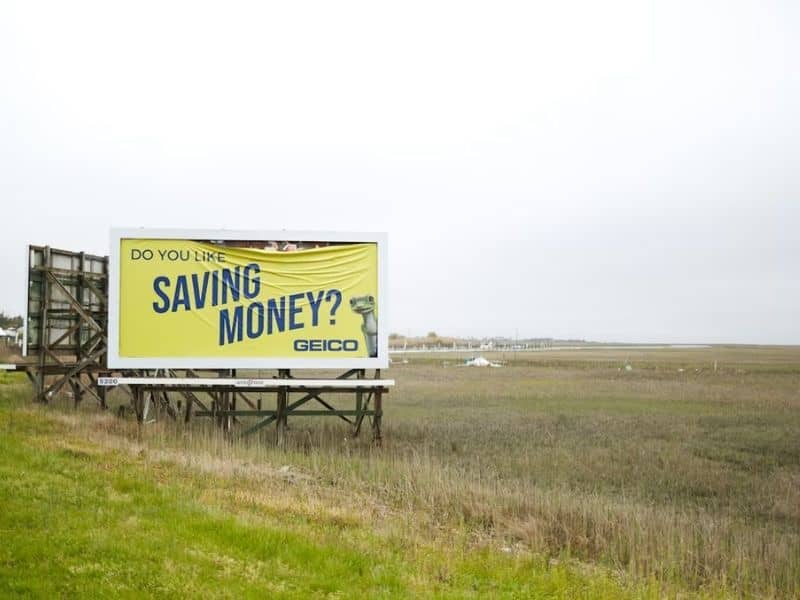
If you’re buying or building on commercial land and the site has a billboard on it, there’s more to check than just the property lines. A billboard lease adds another layer to the property. Someone needs to find that lease area, mark it, and review it before you close on the deal or start construction. An ALTA survey is the tool that helps you do this.
Commercial roads often have a mix of stores, storage lots, and roadside signs. Billboard leases show up a lot in these areas. If you skip over the lease area during your review, you could run into access problems, setback issues, or confusion about who controls that part of the land. An ALTA/NSPS Land Title Survey, done the right way, can show the lease area on the ground and match it to the lease document.
Defining the Billboard Lease Interest Before the ALTA Survey
Before a surveyor can mark anything, someone has to read the actual billboard lease first. This document usually describes one small part of the larger property. Sometimes it uses exact measurements. Other times it gives a rough description tied to the sign or a nearby access point. This description is where the survey work starts.
A billboard lease is not the same thing as an easement, even though people mix these up often. An easement gives someone the right to use land for one purpose, like access or utility lines, without taking over that space. A billboard lease usually gives one company full use of a small, marked area for the sign. It may also include a strip of land around the sign for upkeep or access. This difference matters. It changes how the surveyor treats the space on the drawing and how the title company reviews the lease.
If the lease description is unclear or was written long ago without a real survey behind it, that’s worth flagging right away. A surveyor working from a fuzzy description may need more details from the owner, the billboard company, or the title company before starting fieldwork.
Locating the Billboard Lease Area Within the Parent Parcel
Once someone has the lease description, the next step is finding that area inside the larger property. The surveyor sets the boundary lines of the full property first. Then the surveyor places the billboard lease area inside those lines.
For a commercial lot on a busy road, this step often turns up things that weren’t clear from the paperwork. The lease area might sit closer to a property line than anyone thought. It might overlap with a planned driveway or parking spot. Finding the exact spot on the ground, instead of guessing from an old sketch, gives everyone a clearer view of how the sign fits with the rest of the site.
This step also shows whether the lease area on paper matches the lease area on the ground. Small gaps between the two aren’t rare, especially with older leases. Finding these gaps now is much easier than dealing with them after you’ve closed on the property or started grading the site.
If you plan to redevelop or rework a commercial lot, knowing exactly where the billboard lease sits helps you plan around it. A lease area that blocks a planned entrance, or sits where a new building would go, is much easier to handle during due diligence than after work has already begun.
Comparing the Lease Description With the Billboard on Site
A billboard survey isn’t finished until someone checks the paper description against the sign that’s actually standing on the property. Buildings and signs don’t move as often as land records change, but leases can fall out of date. This happens if the sign got moved slightly during a repair or upgrade.
During this check, the surveyor looks at where the sign sits compared to the lease area described in the document. If the sign sits outside that described area, even by a small amount, that’s worth knowing about before anyone relies on the lease as written. It might mean the lease needs an update. It might just be a small drafting mistake that a lawyer or title company should look at.
This step also catches any access paths, wires, or equipment tied to the sign that the lease might not even mention. Billboard companies sometimes run power lines to the sign or keep a gravel path clear for service trucks. Both can affect how the rest of the property gets used.
Identifying Survey Matters That Affect the Lease Area
Beyond the sign itself, an ALTA survey checks for other recorded and unrecorded rights that touch the lease area. This can include utility easements, access rights held by a neighbor, or setback lines tied to the road.
On a commercial corridor lot, it’s common to find more than one interest layered on the same property. A drainage easement might run close to the sign’s base. A shared driveway easement might cross near the lease line. None of this is automatically a problem. But each one needs to be found and mapped so buyers, lenders, and title companies understand how the pieces fit together.
This is also where the survey can point out anything that clashes with the billboard lease area, like an easement that overlaps the same ground. When that happens, it usually means someone needs a closer legal look before the deal or the project moves forward.
Reviewing Billboard Lease Geometry During Commercial Due Diligence
For buyers, lenders, and title companies working through a commercial deal, the billboard lease shape shown on an ALTA survey becomes part of the full picture. It confirms the lease area sits where the papers say it does. It also shows whether that area clashes with other rights on the property or gets in the way of future plans for the site.
This kind of check matters most when a property changes hands or gets a new use. A store pad that’s sat empty for a while, a corner lot getting reworked for a new tenant, or a bigger tract being split into smaller lots all benefit from a real survey of the billboard lease area instead of a guess.
What a lender, title company, or city expects to see on this kind of survey can change from deal to deal. Confirming those expectations early, before you order the survey, helps make sure the final product actually answers the questions your deal needs answered.
